






























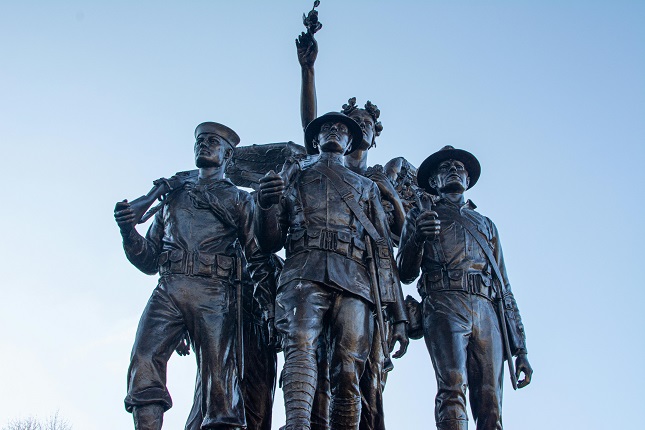
Veteran memorials and military monuments serve as enduring tributes to the courage, sacrifice, and patriotism of those who have served in the armed forces. Across the world, these sites offer a place to reflect, honor, and connect with history. They remind us of the importance of preserving the memory of those who have fought for freedom and justice. This guide explores the significance of veteran memorials, notable examples, and how to engage with these meaningful landmarks.
The Purpose of Veteran Memorials
At their core, veteran memorials are about recognition and remembrance. They fulfill several purposes:
- Honoring Service and Sacrifice
Veteran memorials recognize the bravery of individuals who served in times of war and peace. Whether commemorating fallen soldiers, celebrating the contributions of veterans, or marking pivotal moments in military history, these monuments ensure that service is never forgotten. - Educating Future Generations
Memorials often include inscriptions, names, and imagery that tell the stories of battles, lives lost, and victories won. They provide an accessible way for younger generations to learn about the sacrifices that underpin their freedoms. - Fostering National Unity and Pride
By visiting these sites, communities come together to reflect on shared values and history. They offer an opportunity for national pride and gratitude for those who defended the nation.
Notable Veteran Memorials Around the World
United States
The United States has some of the most iconic veteran memorials, reflecting the country’s rich military history and commitment to honoring its heroes.
- Vietnam Veterans Memorial (Washington, D.C.)
Known for its simplicity and emotional impact, the Vietnam Veterans Memorial features a reflective black granite wall engraved with over 58,000 names of service members who died or went missing during the Vietnam War. The site also includes the Three Soldiers Statue and the Vietnam Women’s Memorial, honoring nurses and women who served. - National World War II Memorial (Washington, D.C.)
This expansive memorial pays tribute to the 16 million Americans who served during World War II. Its design features 56 granite pillars and two arches representing unity among the states, territories, and the District of Columbia. - Arlington National Cemetery (Virginia)
A hallowed ground for many, Arlington National Cemetery is home to multiple monuments, including the Tomb of the Unknown Soldier. This iconic site is guarded 24/7 and honors unidentified service members who died in combat. - Korean War Veterans Memorial (Washington, D.C.)
The Korean War Veterans Memorial features 19 stainless steel statues depicting soldiers from different branches of the military. The haunting images represent the dedication and diversity of those who served in the “Forgotten War.”
International Memorials
Veteran memorials are not limited to the United States. Many countries honor their armed forces through thoughtfully crafted monuments.
- Vimy Ridge Memorial (France)
The Vimy Ridge Memorial is a striking limestone monument surrounded by preserved trenches and tunnels, a tribute to Canadian soldiers who fought in World War I. - Australian War Memorial (Canberra, Australia)
This museum and shrine commemorate Australian service members from all conflicts. Its Hall of Memory and the Roll of Honour are deeply moving features. - The Cenotaph (London, United Kingdom)
Located in Whitehall, London, the Cenotaph serves as a focal point for Remembrance Day in the UK. It honors British and Commonwealth service members from World War I and subsequent conflicts.
Designing Veteran Memorials: Symbolism and Meaning
Veteran memorials are often rich in symbolism, with every element thoughtfully chosen to convey meaning:
- Architecture and Materials
Many memorials use durable materials like granite, marble, and bronze to symbolize endurance and timelessness. Their designs range from minimalistic to intricate, each with a story to tell. - Names and Inscriptions
Engraving the names of the fallen is a common feature. These inscriptions personalize the sacrifice, giving visitors a tangible connection to those who served. - Nature and Landscaping
Memorials often incorporate gardens, fountains, or trees to create a serene environment. These elements symbolize renewal and hope. - Sculptures and Artwork
Statues and reliefs depict soldiers in action, mourning families, or symbolic representations like eagles or laurel wreaths. These artistic elements deepen the emotional resonance of the memorial.
Visiting Veteran Memorials: A Meaningful Experience
For those visiting veteran memorials, the experience can be profound. Here are some tips to make the most of your visit:
- Plan Ahead
Research the memorial’s history, significance, and any events or ceremonies taking place during your visit. This background knowledge can enhance your understanding. - Attend Ceremonies
Many memorials host special events on Veterans Day, Memorial Day, or Remembrance Day. These ceremonies often include speeches, wreath-laying, and moments of silence. - Leave Tributes
Visitors often leave flowers, flags, or personal mementos at memorials. This simple act can be a meaningful way to pay respects. - Reflect and Share
Take time to reflect on the stories and sacrifices commemorated. Share your experience with others, helping to keep the memory alive.
Preserving Veteran Memorials for Future Generations
Preserving veteran memorials is essential to ensure their legacy endures. This involves:
- Maintenance and Restoration
Weather and environmental factors can erode materials over time. Restoration efforts often include cleaning, repairing damage, and replacing worn elements. - Education and Advocacy
Schools, veterans’ groups, and historical societies play a vital role in educating the public about the importance of memorials. Advocacy ensures continued funding and support for preservation projects. - Community Involvement
Community members can participate in clean-up efforts, fundraising events, or volunteer programs to help maintain local memorials.
Creating Personal Memorials for Veterans
In addition to large-scale monuments, many families choose to honor their loved ones with personalized memorials. Options include:
- Custom Headstones or Plaques
Personalized engravings, including military branch insignias and service details, create a lasting tribute. - Memorial Trees or Benches
Planting a tree or installing a bench in a public park provides a living reminder of the veteran’s legacy. - Donation to Memorial Funds
Supporting existing memorials or veterans’ organizations can be a meaningful way to honor a loved one’s service.
The Role of Technology in Veteran Memorials
Technology has introduced new ways to engage with veteran memorials:
- Virtual Tours
For those unable to visit in person, virtual tours allow visitors to explore memorials online. Many sites offer interactive maps and historical information. - QR Codes and Apps
Some memorials use QR codes or apps to provide visitors with additional context, such as stories of individuals commemorated at the site. - Digital Memorials
Online platforms allow families and communities to create virtual tributes, complete with photos, stories, and messages.
Honoring Veterans Through Memorials
Veteran memorials are more than stone and metal; they are powerful symbols of sacrifice, resilience, and gratitude. By visiting, maintaining, and learning from these monuments, we ensure the stories of those who served live on. Whether standing before a towering sculpture or laying flowers at a simple plaque, honoring veterans reminds us of their invaluable contributions.
As we reflect on the importance of these memorials, we must also consider our role in preserving them. Through education, community involvement, and personal tributes, we can ensure that the legacy of our veterans continues to inspire generations to come.