































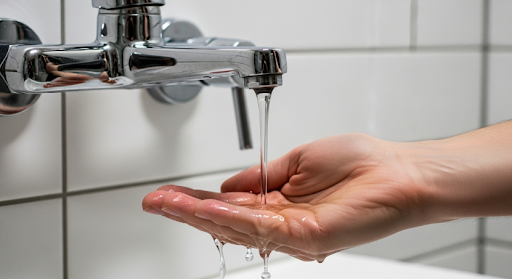
It’s a frustration every homeowner dreads. You step into the shower for a refreshing start to your day, only to be met with a weak, lukewarm trickle. Your washing machine takes ages to fill, and trying to wash dishes while someone else uses a faucet feels impossible. Low water pressure is more than a minor annoyance; it disrupts your daily comfort and can be a sign of deeper issues within your home’s plumbing.
If you’re tired of lackluster showers and inefficient appliances, you’re not alone. The good news is that you can often solve the problem. This guide will walk you step-by-step through diagnosing the cause of your low water pressure and explain how to choose the right solution—from a quick fix to a permanent cure.
Step 1: Your 5-Minute Diagnostic Checklist
Before you call a plumber or buy expensive equipment, a few simple checks can help you narrow down the culprit. This builds trust in the process and ensures you don’t pay for a fix you don’t need.
- Check Your Main Shutoff Valve: This valve, usually located where the water pipe enters your house, controls the flow to your entire home. Ensure it is 100% open. Sometimes, it can be partially closed after maintenance.
- Ask Your Neighbors: Is their water pressure low, too? If so, the issue is likely with the municipal water supply, and you should contact your local water utility.
- Inspect Your Pressure Regulator (if you have one): Many homes have a pressure regulator to protect plumbing from high municipal pressure. These devices can fail over time.
- The Big Question: How Old Are Your Pipes? This is the most crucial step. If your home was built several decades ago and still has its original plumbing, you have very likely found your problem.
Step 2: When Your Pipes Are the Real Problem
If your quick checks don’t reveal a simple fix, it’s time to look at the “arteries” of your home: the pipes themselves. This is the most common and overlooked cause of chronic low water pressure, especially in an old house plumbing replacement scenario.
Problem 1: Clogged & Corroded Pipes
If your home has galvanized steel pipes (common in houses built before the 1970s), this is the most probable cause. Over decades, these pipes corrode from the inside out. This rust and mineral scale (limescale) builds up, acting like a clog in an artery. The internal diameter of the pipe, which may have once been an inch wide, could be reduced to the size of a pencil. No matter how high the pressure is from the street, the volume of water that can get through this bottleneck is minimal.
This buildup not only strangles your water pressure but also can discolor your water and introduce rust particles.
Problem 2: Undersized Pipes
Your home’s plumbing system was designed for the needs of the time it was built. An older home might have been built with 1/2-inch pipes designed to service one bathroom. Today, your home may have three bathrooms, a high-flow shower, a dishwasher, and an ice maker. The original, undersized pipes simply cannot handle the demand. When you run two fixtures at once, the pressure drops for everyone.
Step 3: Choosing Your Solution: Quick Fix vs. Permanent Cure
Once you suspect your pipes are the problem, you have two distinct paths.
Solution 1: Installing a Booster Pump (The Quick Fix)
A water pressure booster pump does exactly what its name implies: it boosts the pressure. While this may seem like an easy fix, it’s often just a “band-aid” solution that can create a much bigger, more expensive problem.
The Risk: A booster pump adds significant stress to your entire plumbing system. If your pipes are already old, corroded, and weak, forcing high-pressure water through them is a recipe for disaster. You risk creating pinhole leaks or causing a catastrophic pipe burst inside your walls.
Solution 2: Repiping with Modern Pipes (The Permanent Cure)
The only permanent solution for clogged, corroded, or undersized pipes is a home repiping. This involves replacing the old, failing plumbing with a modern, high-performance system. While this is a larger project, it is the only way to truly improve water pressure for good and invest in your home’s long-term health and value.
LESSO PP-R Pipe for Water Supply
When considering an old house plumbing replacement, the material you choose is critical. This is where modern engineered plastics like PP-R (Polypropylene Random Copolymer) offer a superior, long-term solution.
LESSO’s Home Comfort Series of PP-R pipes are specifically engineered to solve the very problems that cause low water pressure.
- Immune to Corrosion and Scale: Unlike galvanized steel, PP-R is a high-grade plastic that will never rust, corrode, or build up mineral scale. Its internal surface is exceptionally smooth, ensuring a clear, full-flow path for water for its entire lifespan (often 50+ years).
- Engineered for High Pressure: These are not “plastic” in the traditional sense. They are high pressure pipes built to last. As the specifications for LESSO’s pipes show, the S2.5 series is rated for pressures up to 2.5MPa (or 25 Bar), which is far higher than any typical residential water pressure. This robust engineering means they can easily handle strong municipal pressure.
- Leak-Proof Joints: Perhaps the greatest advantage of a PP-R pipe for water supply is its heat-fusion joining. A special tool heats the pipe and fitting, melting them together to form a single, seamless, monolithic piece. This permanently eliminates the risk of leaks at the joints—the most common failure point in old metal systems.
By choosing a LESSO PP-R system, you are not just replacing your pipes; you are upgrading to a system that guarantees high flow, clean water, and leak-proof peace of mind.
Conclusion
Frustrating low water pressure is often a symptom of an aging, unhealthy plumbing system. While a booster pump may offer a temporary fix, it’s a risky gamble on old pipes.
The most effective, long-term solution is to improve water pressure from its source: the pipes themselves. Upgrading your home to a high-quality, modern plumbing system, like the LESSO PP-R Home Comfort Series, is the best way to permanently solve low flow. It’s an investment that restores your comfort, protects your home from leaks, and ensures clean, healthy water for decades to come.