





























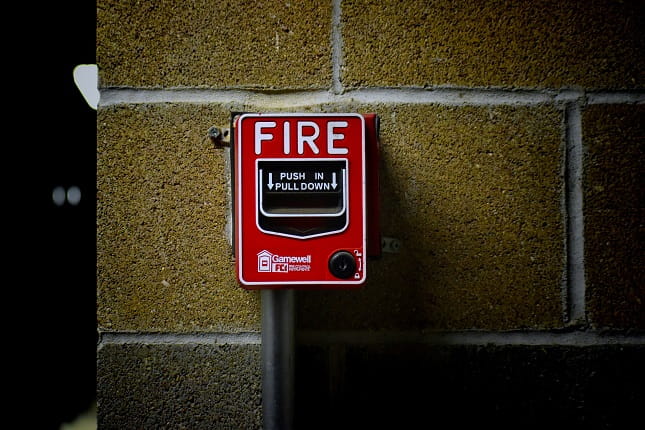
Just because you take care of your home, does not mean that a house fire can’t still occur unexpectedly. Fortunately, there are measures you can take to protect against the threat of house fires and minimize their devastating effects. The following action steps will increase fire safety—and peace of mind—in your new home.
1) Install Smoke Detectors in Critical Areas
Homeowners often underestimate the time it takes for a fire to spread. However, the reality is, a blaze can become uncontrollable in just five minutes. Stay ahead of this hazard by installing smoke alarms in all important areas. You should have at least one on each level of your home, as well as in the bedrooms and any outside sleeping areas.
2) Create a Thorough Fire Evacuation Plan
While it’s crucial to take steps to prevent house fires altogether, your household also must know what to do in the event a fire does occur. Map out clear escape routes and consider installing windows or fire escapes that make it easier to flee during a fire. Designate a meet-up location, such as a neighbor’s driveway, to ensure that everyone can regroup afterward.
3) Look Into Fire-Resistant Building Materials
When building a new home or remodeling an older one, fire-resistant materials can keep your household safe from common fire safety hazards. Some examples of fire-resistant construction materials include metal, concrete, or tempered glass. These materials will help slow the spread of flames throughout your home. While they might continue to absorb heat, their ability to block out the flames will improve your chances of escape.
4) Install the Right Fire-Suppression Equipment
There’s a chance you might be present when a fire starts in your home, in which case, you’ll need the right equipment to contain a fire before it spreads. Store an all-purpose (UL-rated ABC) fire extinguisher in a secure but accessible spot on each level, and ensure there’s also one in the kitchen. It’s a smart idea to install a fire sprinkler system as well.
5) Schedule Regular Electrical System Inspections
Electrical shorts will often cause house fires by allowing arcs to jump from one point to another. Shorts can develop over time as wiring erodes. Pests can also gnaw at the lines and use the wiring insulation to build their nests. Schedule an annual inspection to catch and resolve this wiring damage before it can turn into a fire emergency.
6) Prioritize Consistent Electrical Panel Maintenance
A routine electrical inspection can also ensure that your home does not use more energy than the power system can handle. An electrician can upgrade your panel to accommodate new appliances and electrical devices. They can also install a whole-house surge protector to safely handle electrical spikes without affecting your equipment.
7) Keep Dryer Lint Traps and Vents Clear of Debris
An unmaintained laundry area is a serious (and often overlooked) fire hazard, so keep this area of your home both clean and moisture-free. Empty the lint trap after each dryer use, and hire professionals to clean out the dryer vent once a year. Not only will keeping the vent clean help reduce fire risks, but it will also increase the appliance’s efficiency.
8) Do Not Leave the Kitchen While You’re Cooking
There are an average of 2,775 annual house fire fatalities in the United States, and many of those fires start in kitchens. Stepping away from the stove—even for a brief moment—can lead to an unexpected grease or oil fire. It’s vital to watch all ovens and stovetops while cooking food, as well as running the overhead exhaust fan. This will expel steam, grease, smoke, and other flammable particles, so it won’t cause the equipment to overheat.
9) Invest in Regular Furnace and Heating Maintenance
There are many benefits to scheduling an annual furnace maintenance tune-up. Not only will it protect your heating equipment and ensure compliance with the warranty terms, but it can also minimize fire hazards. A professional HVAC technician will check for both carbon monoxide and natural gas leaks. They’ll also clean out the fuel line connections, burners, and other essential components to allow for safer and more efficient indoor heating.
Diligence Is Your Best Defense Against House Fires
Following these action steps will make it easier to mitigate common fire safety risk factors in your new home. So create a response strategy, communicate an evacuation plan, and initiate clear protective measures. When you maintain a high level of readiness, you can avoid the panic and chaos that often lead to severe injuries and extensive damage.