




























Household power demands keep rising while grids face more stress from storms, heat waves, and aging infrastructure. A house backup generator turns a blackout from a crisis into a brief inconvenience. You keep critical loads running, protect food and medicines, and stay connected when neighbors go dark.This guide explains how to choose a backup power solution that fits your home, budget, and risk level. You’ll learn the difference between portable, standby, and modern solar‑battery systems, how to size your generator, and which fuel type makes sense. We also highlight smart whole‑home options such as the Anker SOLIX E10 that blend backup power with long‑term energy savings. Use this 2026 buying guide to make a confident, future‑proof choice.
Why You Need a Backup Generator
Power Outage Risks and Impacts
Long, frequent outages can hit any region now, not just storm belts. Severe weather, heat‑driven demand spikes, wildfires, and grid failures can knock out power for hours or days. When that happens, food spoils, pipes can freeze, and sump pumps stop. Medical devices and home office gear shut down.If you work from home, a sudden outage can derail deadlines and video calls. Security systems may go offline, leaving your property exposed. Even brief interruptions can damage electronics or cause data loss.
Benefits of Reliable Backup Power
A backup generator or solar‑battery system keeps your essential loads powered while the utility struggles. Refrigerators, freezers, Wi‑Fi, lights, and key outlets stay on. Critical medical devices keep running. You can charge phones and laptops, cook, and maintain home comfort.Reliable house backup generator also protects your investment in your home. It helps prevent burst pipes, water damage from disabled pumps, and losses from spoiled food. For many homeowners, the peace of mind during storms and grid events justifies the cost.
Types of House Backup Generators
Portable vs Standby Generators
Portable generators sit outside, connect with heavy‑duty extension cords or a manual transfer switch, and usually run on gasoline. They cost less up front and suit renters or smaller homes. You wheel them out, start them, and plug in selected loads.Standby generators are permanently installed, often running on natural gas or propane. They connect to your home’s electrical panel through an automatic transfer switch. When grid power fails, they start automatically and can power most or all circuits. They cost more but offer far greater convenience and protection.
Solar and Battery Systems
Solar‑battery systems store electricity in batteries and can recharge from rooftop solar, the grid, or a generator. During an outage, they switch to backup mode almost instantly. Systems like Anker SOLIX integrate smart inverters, battery modules, and control apps, giving you quiet, emissions‑free power.Unlike fuel‑fired generators, battery systems work indoors and need no refueling. They scale from partial to whole‑home backup and can cut everyday utility bills by shifting when you use grid power. For many homes in 2026, this hybrid approach offers the best long‑term value.
Key Buying Factors to Consider
Power Capacity and Fuel Options
Start by listing the appliances you must run during an outage: fridge, freezer, lights, Wi‑Fi, furnace fan, well pump, medical devices, maybe a mini‑split or window AC. Check their wattage and starting surges. Add them up to find the generator or inverter capacity you need. Many homes target 5,000–10,000W for solid coverage.Fuel choice affects convenience and runtime. Gasoline is easy to find but stores poorly. Propane stores well and burns clean but needs a tank. Natural gas offers long runtimes if service stays on. Solar and battery systems like Anker SOLIX E10 rely on stored energy plus solar input and can also accept generator charging.
Efficiency, Runtime, and Noise
Look for systems that deliver long runtimes on modest fuel or stored energy. Inverter‑based generators and smart battery systems adjust output to the load, improving efficiency. Check continuous output versus peak output: an option like Anker SOLIX E10 can provide up to 7,680W at 240V continuously, with higher turbo backup output when paired with extra batteries.Noise matters in dense neighborhoods. Many portable units are loud; standby and inverter models often run quieter. Battery systems operate silently, a major advantage for night use. Also review operating temperature ranges so your system works in local climate extremes.
Whole-Home Backup Solutions
Smart Systems Like Anker SOLIX
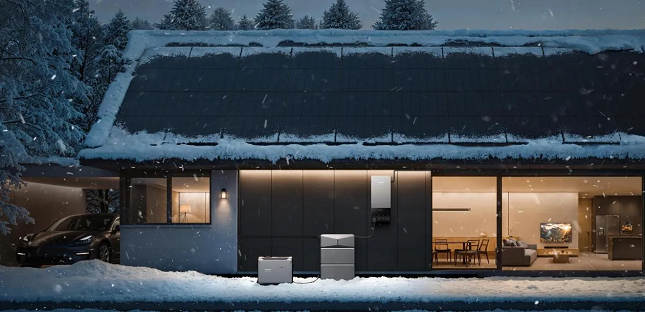
Whole‑home backup aims to power nearly everything, not just a few outlets. Smart systems like Anker SOLIX E10 bring together an E10 Power Module, B6000 Battery Modules, Power Dock, Smart Inlet Box, and optional 5500 Smart Generator. This setup delivers 120/240 VAC split‑phase output at 60Hz for standard US homes.The E10 system can supply up to 7,680W (32A) continuous at 240V, with up to 10,000W (41.6A) for 90 minutes and turbo backup modes that scale with more inverters and batteries. Wi‑Fi and Bluetooth connectivity let you monitor usage and control circuits from an app.
Solar Integration and Home Setup
A strong whole‑home system ties into both your main electrical panel and solar array. Anker SOLIX E10 supports up to 2x 4,500W PV input (30–450V DC, 15A), plus 4,500W DC generator input, and 9,600W AC input at 240V/40A for fast recharging and bypass. Installers use a Smart Inlet Box and Power Dock to integrate it safely.The NEMA Type 4 (IP66) enclosure handles harsh weather, with operating temperatures from ‑4°F to 131°F. With proper design and multiple B6000 Battery Modules, you can cover most home loads and enjoy seamless, quiet backup.
Conclusion
A house backup generator or solar‑battery system provides more than power; it protects your comfort, work, and safety when the grid fails. Portable generators suit tight budgets and smaller loads. Standby units deliver hands‑off reliability for entire homes. Smart systems like Anker SOLIX E10 blend robust 120/240V backup with solar integration, app control, and quiet operation, making them ideal for long‑term resilience and savings.Evaluate your critical loads, local outage risks, and fuel access. Then weigh upfront cost against convenience, runtime, and future energy goals. With careful planning and professional installation, you can keep your home running smoothly through the next storm and beyond.