




























Introduction to RMM Software and Its Role in MSP Services
Managed Service Providers (MSPs) have become an essential part of modern IT infrastructure management, especially as businesses increasingly rely on digital systems to operate efficiently. One of the core tools that MSPs utilize to maintain and optimize client environments is Remote Monitoring and Management (RMM) software. This technology enables MSPs to monitor, manage, and troubleshoot IT systems remotely, ensuring that potential issues are identified and resolved before they disrupt business operations.
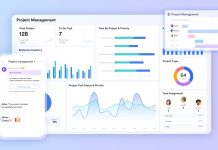
RMM software acts as a centralized platform that collects real-time data from endpoints, servers, and networks. It allows MSPs to automate routine maintenance tasks, deploy software updates, and respond quickly to alerts. The proactive nature of RMM reduces downtime and enhances security, making it a critical component in the IT support ecosystem.
As businesses grow more dependent on technology, the importance of continuous system oversight cannot be overstated. According to a report by Gartner, over 70% of organizations will adopt managed services and RMM tools to improve IT efficiency by 2025. This trend highlights how RMM software is becoming a standard in IT management.
How MSPs Leverage RMM Software for Proactive IT Management
MSPs rely heavily on RMM software to deliver efficient and scalable IT support. By continuously monitoring system health, performance metrics, and security status, MSPs can detect anomalies early and address them proactively. This approach contrasts with traditional break-fix models, where technicians only respond after a problem arises.
One example of an MSP that effectively employs RMM solutions is Reverie Tech. Their use of advanced monitoring tools allows them to provide comprehensive IT management services, ensuring clients’ systems remain secure and operational around the clock.
RMM software enables MSPs to automate alerts for potential issues such as hardware failures, network congestion, or unauthorized access attempts. This automation not only reduces the response time but also minimizes human error, leading to more reliable IT support.
Research indicates that organizations using RMM tools experience up to a 40% reduction in system downtime, which translates directly into improved productivity and cost savings. This statistic underscores the tangible benefits of employing RMM in IT management.
Key Features of RMM Software MSPs Use to Support Clients
RMM platforms come equipped with a variety of features designed to simplify IT management for MSPs and enhance the service experience for clients. Some of the most important functionalities include:
– Real-time Monitoring: Continuous tracking of device health, network performance, and application status.
– Automated Alerts: Immediate notifications for issues such as system failures, security breaches, or hardware malfunctions.
– Remote Access and Control: Secure connection capabilities that allow technicians to troubleshoot and resolve problems without onsite visits.
– Patch Management: Automated deployment of software updates and security patches to mitigate vulnerabilities.
– Reporting and Analytics: Detailed insights into system performance and trends to inform strategic IT decisions.
– Asset Management: Keeping an up-to-date inventory of hardware and software assets to streamline maintenance and compliance efforts.
– Integration with Security Tools: Many RMM solutions integrate with antivirus, firewall, and endpoint detection and response (EDR) tools to provide a comprehensive security posture.
These capabilities enable MSPs to deliver proactive support and reduce the frequency and severity of IT incidents. For example, automated patch management ensures that security vulnerabilities are addressed promptly, a critical factor given that 60% of data breaches are linked to unpatched software.
Why Computer Support Firms Like PCS Depend on RMM Software
Many computer support firms, including computer support firms like PCS, integrate RMM software into their service offerings to improve operational efficiency and customer satisfaction. By utilizing these tools, firms can manage multiple client environments from a single dashboard, reducing the need for physical interventions and enabling faster response times.
The centralized management console provided by RMM software allows technicians to prioritize tasks based on severity and impact, optimizing resource allocation. This capability is especially valuable for firms handling a diverse client base with varying IT needs.
A survey found that 65% of MSPs consider RMM software crucial to their service delivery, citing increased scalability and enhanced client trust as primary benefits. This widespread adoption reflects how integral RMM solutions have become for competitive IT service providers.
Moreover, RMM software supports compliance with industry regulations such as HIPAA, GDPR, and PCI-DSS by maintaining detailed logs and generating audit-ready reports. This functionality helps firms like PCS assure their clients that their IT environments meet necessary legal standards.
The Benefits of RMM Software for Businesses
For businesses that outsource their IT management to MSPs using RMM software, the advantages are significant:
– Reduced Downtime: Continuous system monitoring means issues are detected and fixed before they escalate, minimizing operational interruptions.
– Cost Efficiency: Remote management reduces the need for onsite visits, lowering support expenses and enabling predictable budgeting.
– Improved Security: Automated patching and vulnerability scanning help protect against cyber threats, a crucial benefit given that cybercrime costs are expected to reach $10.5 trillion annually by 2025.
– Enhanced Compliance: RMM tools assist in maintaining regulatory compliance through detailed logging and reporting, reducing the risk of fines and reputational damage.
– Scalability: Businesses can easily scale their IT infrastructure without proportional increases in support costs, benefiting from the MSP’s ability to manage multiple clients efficiently.
– Better User Experience: Faster issue resolution and proactive maintenance lead to less disruption for end-users, improving overall satisfaction and productivity.
By partnering with MSPs that deploy sophisticated RMM solutions, organizations gain peace of mind knowing their IT environment is under constant surveillance and expert care, allowing them to focus on core business activities without worrying about IT failures.
Future Trends in RMM and MSP Services
As technology evolves, RMM software is becoming more intelligent and integrated with artificial intelligence (AI) and machine learning (ML) capabilities. These advancements promise even greater automation and predictive analytics, allowing MSPs to anticipate issues with higher accuracy and optimize resource allocation.
For example, AI-driven analytics can identify subtle patterns in system behavior that precede failures, enabling preemptive interventions. This level of insight improves service reliability and reduces costs associated with unexpected outages.
Moreover, with the rise of hybrid work models and cloud computing, RMM tools are adapting to monitor more diverse and distributed environments. This evolution ensures that MSPs can continue to provide seamless IT support regardless of where end-users are located. Cloud-based RMM platforms offer enhanced flexibility and scalability, making them ideal for businesses with dynamic IT needs.
Additionally, integration with Internet of Things (IoT) devices is an emerging trend, as MSPs expand their monitoring capabilities beyond traditional IT assets. This holistic approach supports comprehensive management of increasingly complex organizational ecosystems.
Conclusion
Remote Monitoring and Management software is a cornerstone technology that empowers Managed Service Providers to deliver efficient, proactive, and scalable IT support. By leveraging RMM tools, MSPs like can monitor client systems remotely, reduce downtime, enhance security, and improve overall IT service quality.
As RMM technology advances, businesses that partner with MSPs utilizing these solutions will be well-positioned to navigate the complexities of modern IT environments and maintain a competitive edge. The combination of real-time monitoring, automation, and intelligent analytics ensures continuous system health and operational excellence, making RMM software an indispensable asset in today’s digital landscape.